
Ductless Mini-Splits in the PNW: Are They Worth It?
Pacific Northwest weather keeps you guessing. Damp, 40-degree drizzle for weeks on the west side. Single-digit cold snaps in Spokane and Coeur d’Alene. And then a July heat dome that has everyone searching for a portable AC that sold out three days ago. One heating and cooling system has to handle all of it.
That’s a big reason ductless mini-split heat pumps have gone from “that box on the wall” to one of the most talked-about HVAC choices for new homes in Washington and Idaho. If you’re planning a custom build, here’s a clear, no-jargon look at how mini-splits work, what they cost to live with, how they handle real PNW winters, and whether they’re the right fit for your home.
Quick Answer: Are Ductless Mini-Splits Worth It in the Pacific Northwest?
For most new, well-insulated homes in the Pacific Northwest, yes. Ductless mini-split heat pumps provide efficient heating and air conditioning in one system, let you control the temperature room by room, and avoid the energy lost through ductwork. They work best when:
- The home is tightly built and well insulated, so a small, efficient system can keep up.
- You want both heating and cooling, which matters more every summer in the PNW.
- Different people want different temperatures in different rooms.
- You choose a cold-climate model if you’re building east of the Cascades or in North Idaho.
What Is a Ductless Mini-Split Heat Pump?
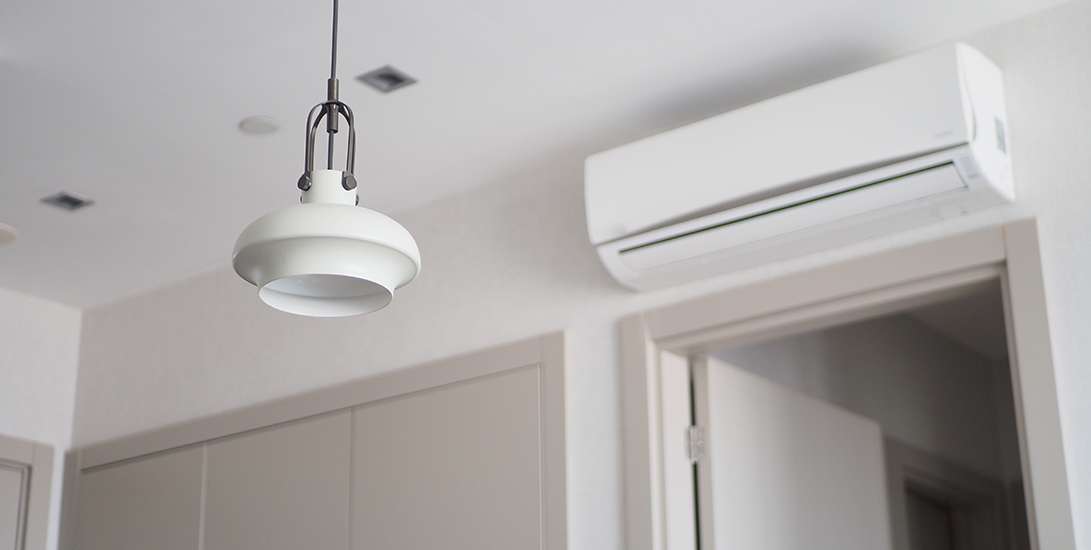
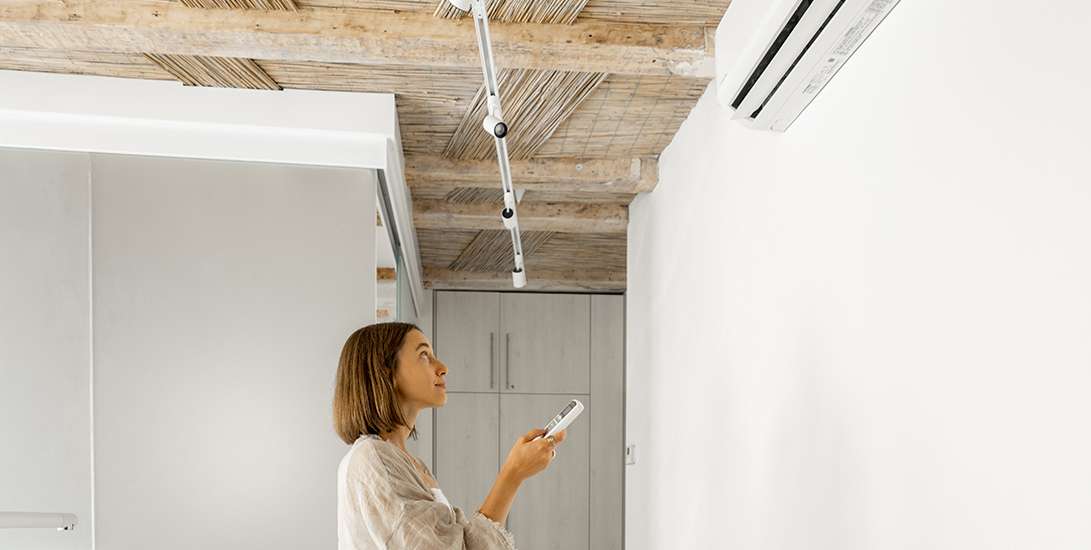
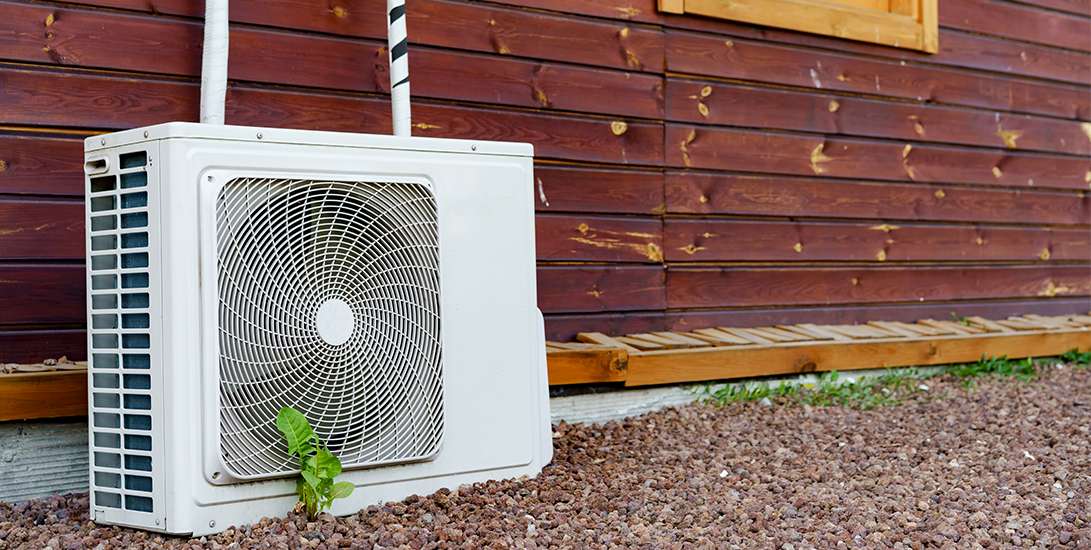
A ductless mini-split is a heat pump with two main parts: an outdoor unit (the compressor) and one or more indoor units, often called “heads,” mounted in individual rooms or zones. A thin line set carrying refrigerant connects them through a small hole in the wall. No ductwork required.
Instead of burning fuel or running electricity through a hot coil to create heat, a heat pump moves heat. In winter, it pulls heat energy from the outdoor air (yes, even cold air has some) and releases it inside. In summer, it runs in reverse and moves heat out of your home, working as an air conditioner. Moving heat takes much less energy than making it, which is where the efficiency comes from.
The “mini” refers to the compact size, and the “split” refers to the indoor and outdoor pieces. “Ductless heat pump,” “mini-split,” and “ductless mini-split” all describe the same thing.
Benefits of Ductless Mini-Splits for a New Home
1. Efficient heating with no ductwork losses
Many PNW homes have historically been heated with baseboard or wall heaters that turn electricity directly into heat. According to ENERGY STAR, certified mini-split heat pumps use up to 60% less energy than standard electric resistance heaters. That’s a meaningful difference across a long, gray heating season. Mini-splits also skip the ductwork entirely, so there are no ducts running through attics or crawlspaces leaking warm air along the way.
2. Air conditioning built in
Summer heat waves are no longer a rare event in Washington and Idaho, and fewer families are willing to sweat them out. A mini-split gives you quiet, efficient cooling from the same system that heats your home, with no window units to wrestle every June.
3. Quiet, room-by-room comfort
Each indoor head can have its own setting. Keep the bedrooms cool for sleeping, the home office cozy during the workday, and stop heating the guest room nobody uses until the holidays. It’s the end of the thermostat wars. And because mini-splits use variable-speed (inverter) compressors that ramp up and down gently instead of blasting on and off, you get steadier temperatures and less noise than many traditional systems.
Do Mini-Splits Work in Cold Weather? (Eastern WA and North Idaho)
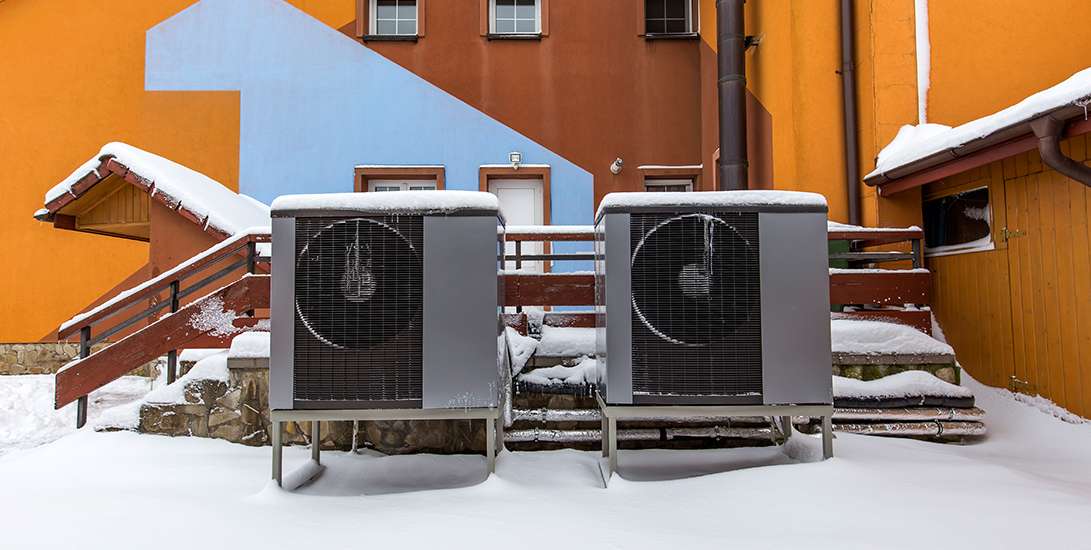
It’s one of the most common questions about heat pumps, and the short answer is yes, with the right equipment. Today’s cold-climate heat pumps are designed to keep heating efficiently well below freezing. The Bonneville Power Administration notes that cold-climate models are built to deliver efficient heat even when temperatures drop below 20°F, and that the Northwest’s own cold-climate specification looks for units that keep most of their rated capacity down to 5°F.
A few practical tips for colder parts of the region:
- Choose a model rated for cold climates, especially in Spokane, the Tri-Cities, Central Washington, and North Idaho.
- Plan for backup heat in the coldest rooms or for extreme cold snaps. ENERGY STAR recommends a backup source for the very lowest temperatures.
- Mount the outdoor unit above the snow line with clear airflow, so it can defrost and drain properly.
- Size the system to the home, not just square footage. A tight, well-insulated house needs much less capacity.
That last point is why building new gives mini-splits a major advantage. A heat pump in a drafty, poorly insulated older home has to work hard. The same system in a tightly sealed, well-insulated new build can coast.
Mini-Split Downsides to Know Before You Build
No system is perfect, and it’s worth being clear-eyed about the trade-offs. The most obvious one is that you can see the indoor units. Today’s wall-mounted heads are slimmer and better looking than they used to be, and thoughtful placement during design (above a doorway or on a side wall) helps them blend in, but they won’t disappear the way a floor register does.
Zone planning also matters. Rooms without their own head rely on air moving from nearby zones, so the layout needs to account for that from the start. The indoor units have filters that need regular cleaning (your manufacturer’s manual will give the schedule), and installer quality makes a big difference in how well the system performs and how long it lasts.
Finally, mini-splits are all-electric, so your utility’s rates shape your monthly costs. It’s worth asking your utility about current rates and plans before you build.
Are There Tax Credits or Rebates for Mini-Splits in 2026?
This is where a lot of online advice is out of date. The federal heat pump tax credit that many articles still mention, the Energy Efficient Home Improvement Credit, ended for property placed in service after December 31, 2025, according to the IRS. It also only applied to improvements on existing homes, not new construction.
Utility and local incentive programs in Washington and Idaho change often, and most focus on replacing older heating systems in existing homes. If you want to check for current offers in your area, contact your electric utility directly or search the ENERGY STAR Rebate Finder by ZIP code.
Incentive information is accurate as of November 2026. Programs change frequently, so verify current availability with your utility before making decisions based on rebates.

How Inspire Homes Uses Ductless Mini-Splits
Every Inspire home comes standard with ductless mini-split heating and cooling, with supplemental electric zoned heating where needed and individually mounted thermostats in each room. It’s part of our Healthy & Efficient approach, and it’s backed up by the rest of the building envelope, because a heat pump is only as efficient as the house around it.
That starts with serious insulation: R-23.5 blown-in exterior walls, R-49 blown-in attic insulation, and R-30 floor insulation. We pair it with advanced air sealing (sealed sill plates, insulated headers and corners, sealed penetrations, and DuPont Tyvek DrainWrap with taped seams) and Low-E, argon gas-filled, double-pane vinyl windows that surpass energy code requirements. Add a high-efficiency 50-gallon heat pump hybrid water heater and a 200 amp electrical panel, and you’ve got an all-electric home built to make the most of a mini-split system.
You can see the full list on our premium inclusions page, and every home is backed by our tiered warranty, including 5-year coverage on mechanical systems and a lifetime structural warranty.
Is a Ductless Mini-Split Right for Your New Home?
If you want efficient, all-in-one heating and cooling, room-by-room comfort, and a system that handles both soggy winters and summer heat waves, a ductless mini-split is one of the strongest choices for a new Pacific Northwest home. The key is pairing it with a tight, well-insulated building envelope and a smart zone layout from the very beginning.
Curious how a mini-split system would be laid out in your floor plan? Reach out to our team or schedule a free site evaluation, and we’ll walk you through it.
Frequently Asked Questions
Are ductless mini-splits worth it in the Pacific Northwest?
For most new, well-insulated homes, yes. Mini-splits provide efficient heating and air conditioning in one system, offer room-by-room temperature control, and avoid ductwork energy losses. In colder areas like Eastern Washington and North Idaho, choose a cold-climate model and plan for backup heat.
Do mini-splits work in freezing temperatures?
Yes. Cold-climate mini-split heat pumps are designed to keep heating efficiently below 20°F, and many keep most of their capacity down to around 5°F. A backup heat source is still recommended for the coldest rooms and extreme cold snaps.
How much energy can a mini-split save compared to baseboard heat?
ENERGY STAR reports that certified mini-split heat pumps use up to 60% less energy than standard electric resistance heaters, such as baseboard or wall heaters. Actual savings depend on your home, climate, and utility rates.
Is there a federal tax credit for mini-splits in 2026?
No. The federal Energy Efficient Home Improvement Credit ended for property placed in service after December 31, 2025, and it applied only to existing homes. Some utilities may offer rebates, so check with your electric utility for current programs.
Do Inspire Homes come with mini-splits?
Yes. Every Inspire home includes ductless mini-split heating and cooling as a standard feature, with supplemental electric zoned heating where needed and individually mounted thermostats in each room.